Home and community care doesn’t need “generic AI” in its day-to-day operations. It needs safe, task-based automation that can be governed, audited, trusted and is aligned to the Australian aged care standards, freeing people to focus on care, while uplifting quality, strengthening compliance and financial control.
AI is moving fast across every industry, but aged care is not like other sectors. Decisions are critical. Documentation is regulated. And the workforce is under constant pressure to deliver more care with less time. That’s why the most important question for providers isn’t whether to adopt AI, but what kind of AI is safe, useful, and approvable; by Boards, clinicians, quality teams, and regulators.
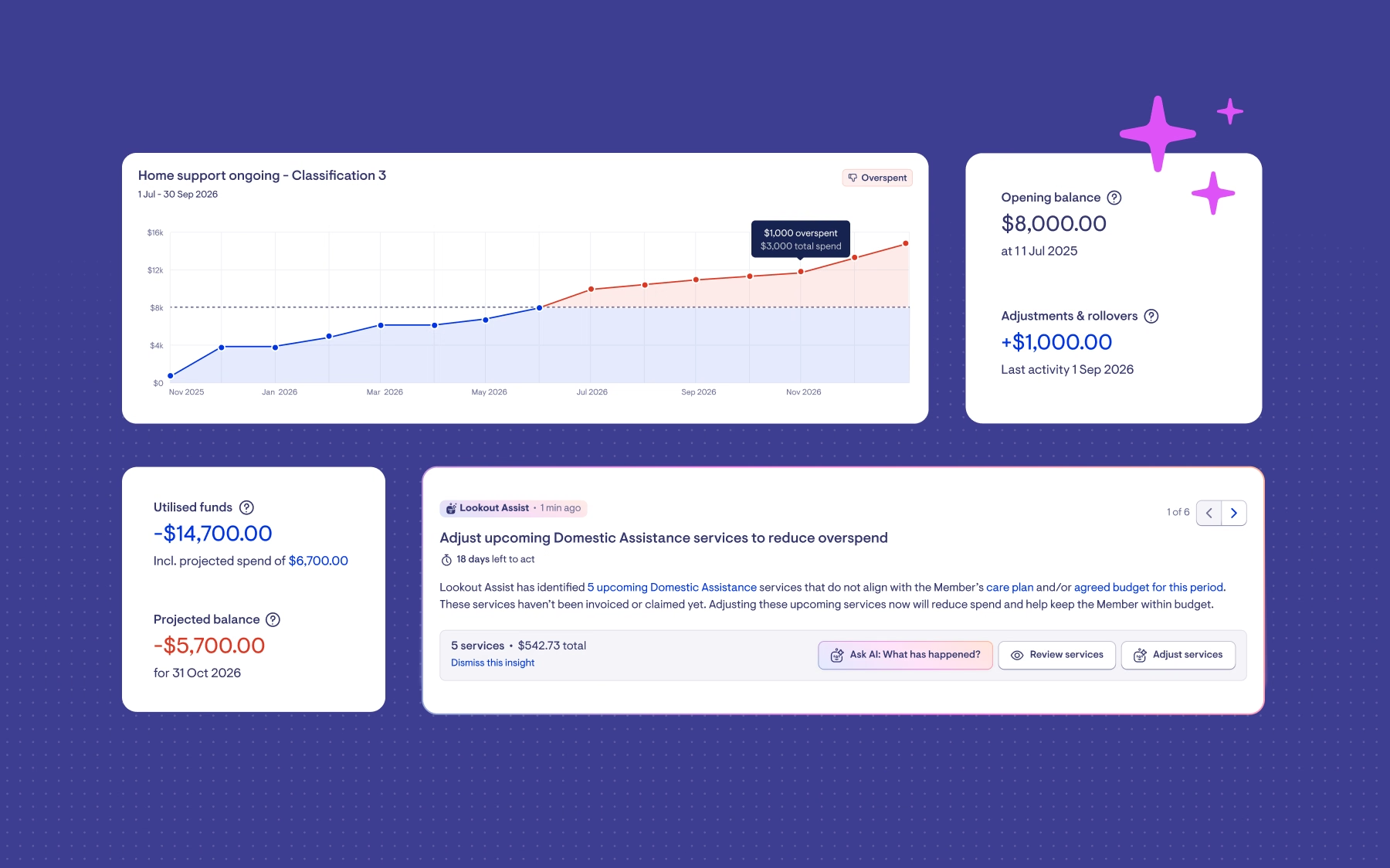
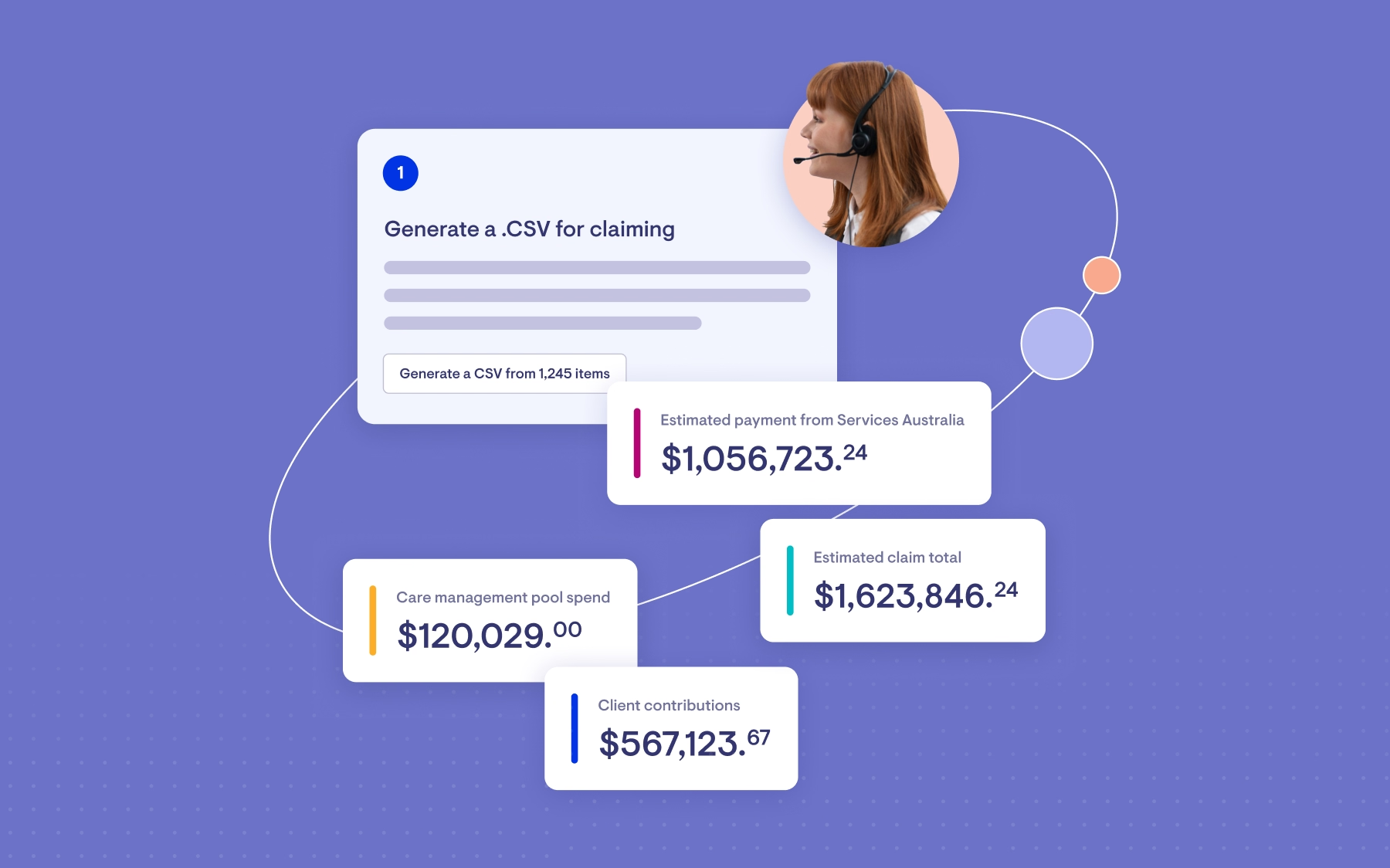
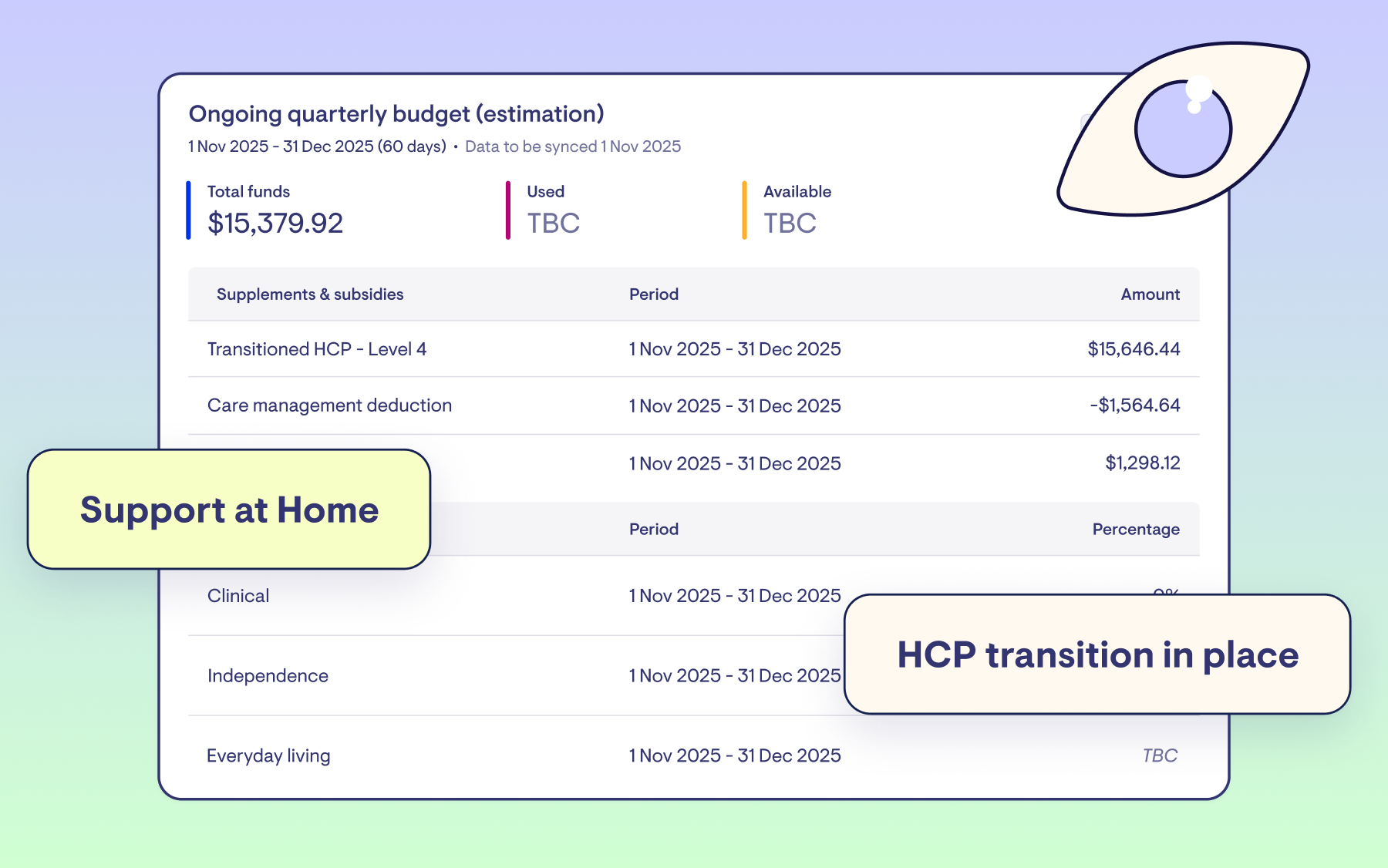
Support at Home reform sharpens this need. Providers are being asked to evidence delivery, coordinate across third parties, and maintain audit-ready governance; while margins tighten and pricing remains uncertain. In many organisations the silent cost driver is not just the frontline workforce, but the administrative load that accumulates around rostering exceptions, care plan updates, claims preparation, reconciliations, and triage of risk and incidents. Small inefficiencies compound into delayed claiming, preventable disputes, and clinical oversight gaps.
This is where “AI in care” needs a different posture: not open-ended chatbots, and not automation that hides its working. The model that fits the sector is task-based AI with human review: bounded tools designed for real workflows, operating with clear accountability, full audit trails aligned to the standards. Lookout Assist is built specifically for this model. It extends Lookout’s long-standing use of workflow and care intelligence (including risk-based classification foundations developed and proven over years) into a curated set of embedded agents that remove low-value administration and surface the information that matters for human judgement.
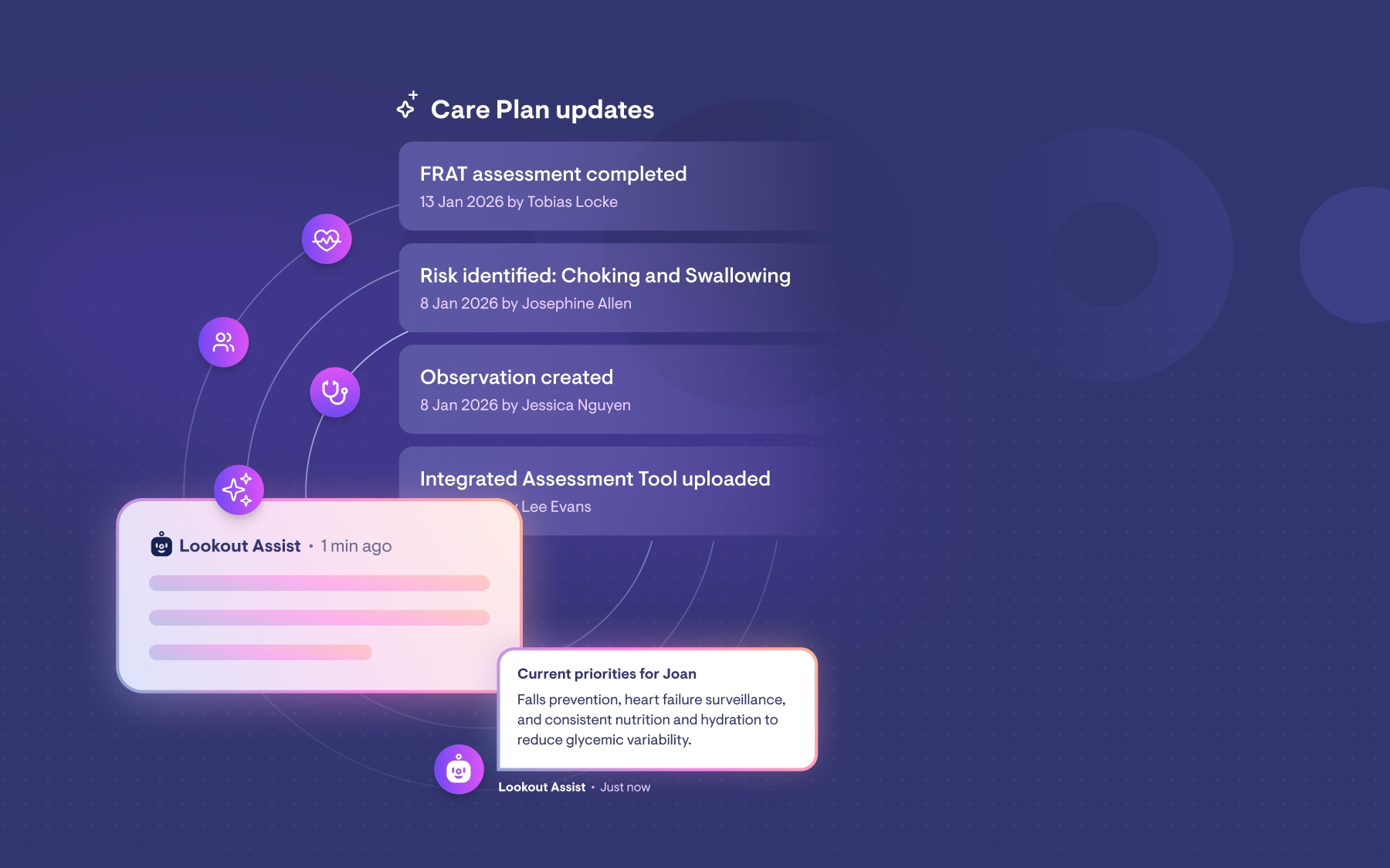
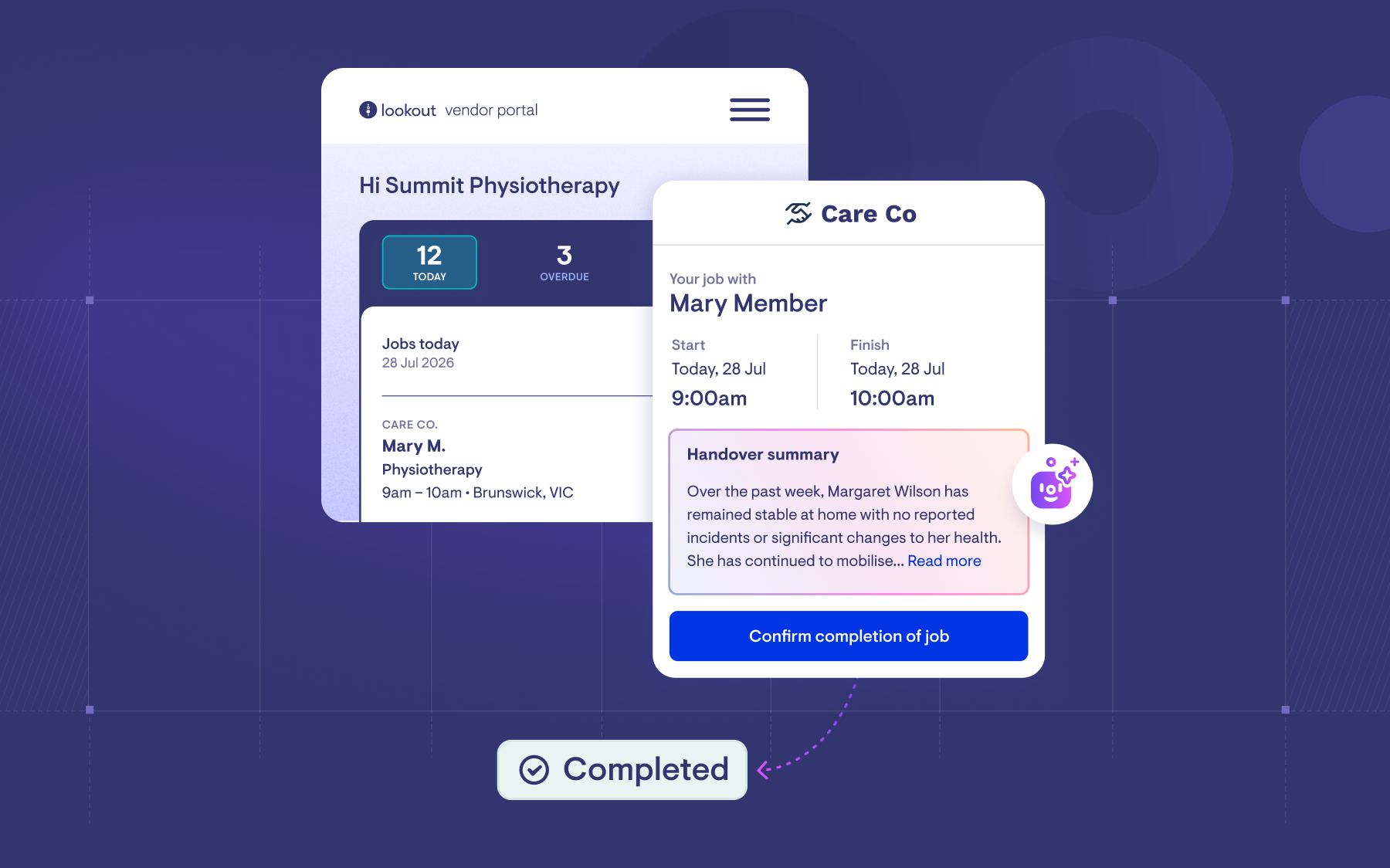
What does “embedded, task-based AI with human review” look like in practice? It looks like agents that live inside the moments where teams lose time today; summarising assessment information into an actionable care plan, identifying risk signals that warrant escalation, preparing handover summaries that reduce third-party delivery risk, or turning messy free-text availability updates into clear rostering decisions. In each case, the agent’s job is narrow and measurable: reduce cycle time, reduce rework, and reduce risk. The human’s job is to approve, adjust, and apply professional judgement; supported by the right context, not burdened by clerical work.
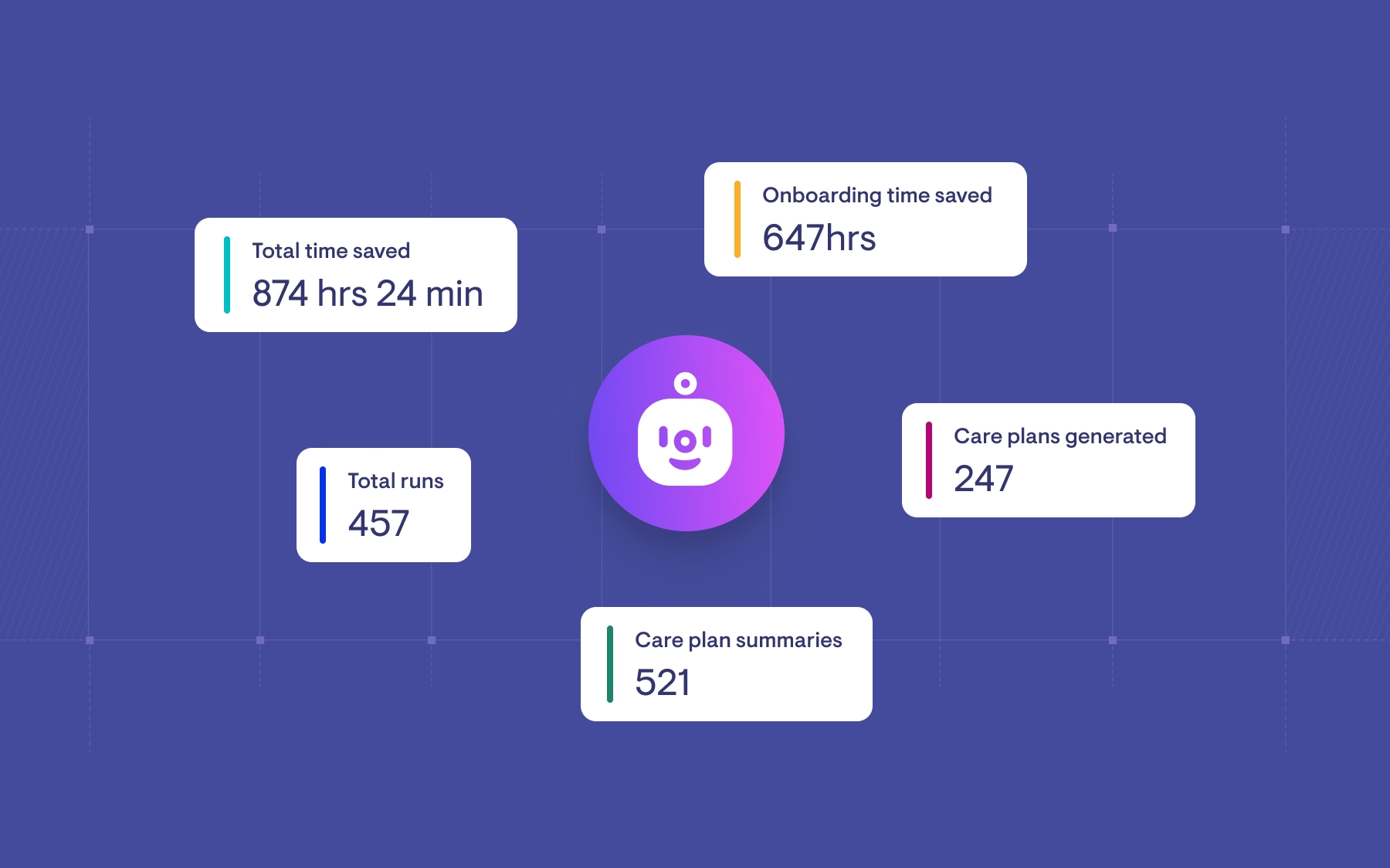
Governance isn’t a feature, it's the design constraint. To be trusted in care, every automated step needs to be explainable and reviewable. Lookout Assist is designed for human review and auditability so organisations can show what happened, when, and why. This includes keeping decision logs and maintaining clear accountability for automated outputs. It also means treating AI as an operational capability that can be monitored over time, not a “set and forget” add-on. Measuring efficiency, accuracy and risk reduction by agent creates the conditions for safe scaling: providers can see what’s working, where exceptions are clustering, and where additional controls are required.
Crucially, the value of AI in this environment is not novelty, it’s viability. When repeatable work is automated and exceptions are escalated with context, teams can shorten response cycles, improve billing integrity, and spend more time on high-impact care coordination. That’s how technology protects margins without compromising standards. It’s also how providers reduce fatigue: a well-designed agent does not replace a clinician or coordinator; it gives them time back and helps them operate at the top of their capability.
Capability highlights (rolling through 2026):
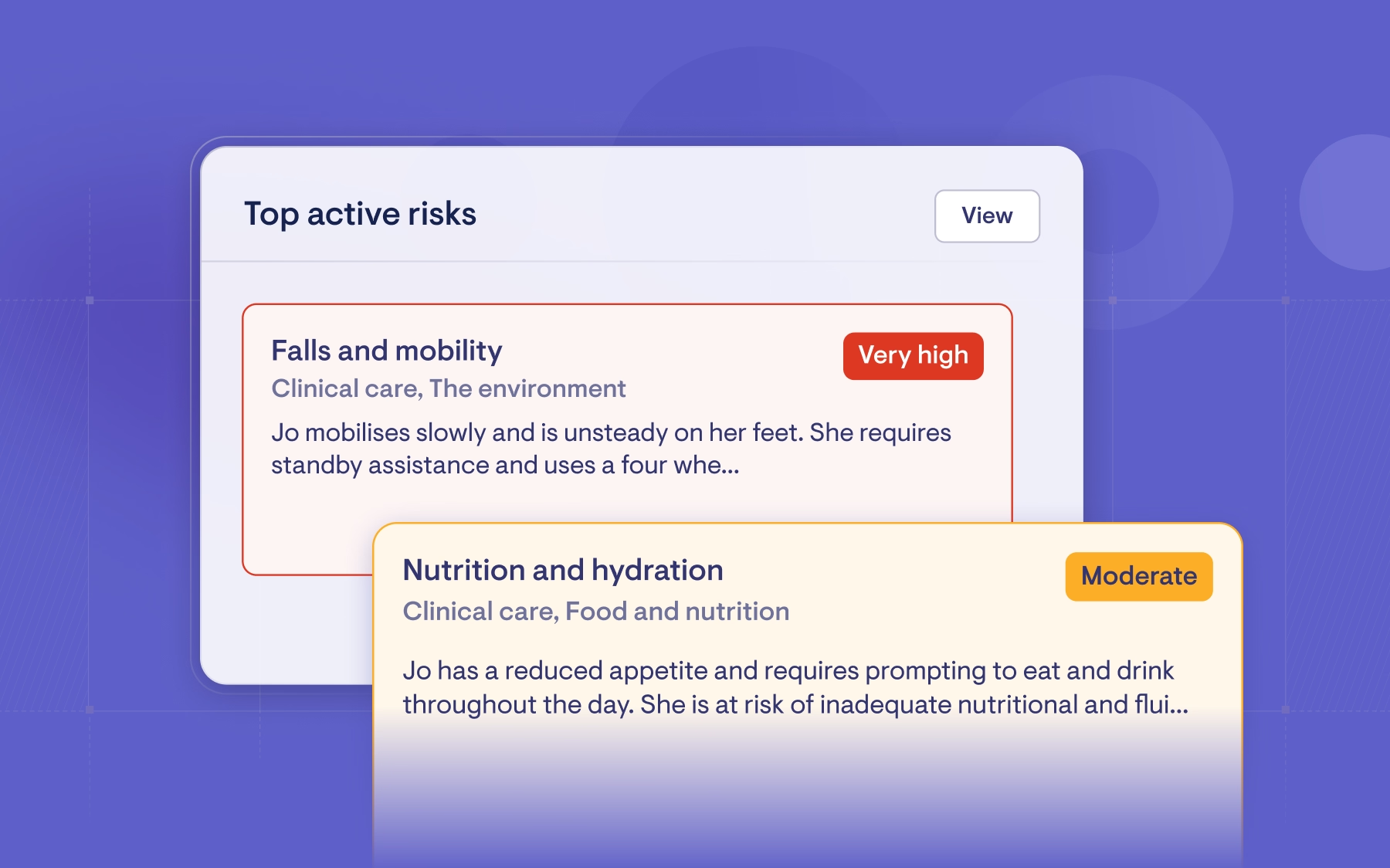
- Assessment summary and risk identification: generates summaries that can include co-morbidities, medications, allergies and recent events (e.g., incidents) to support faster, more consistent triage.
- Care planning support: helps evolve care plans from assessment inputs and uploaded clinical documents, reducing double-handling.
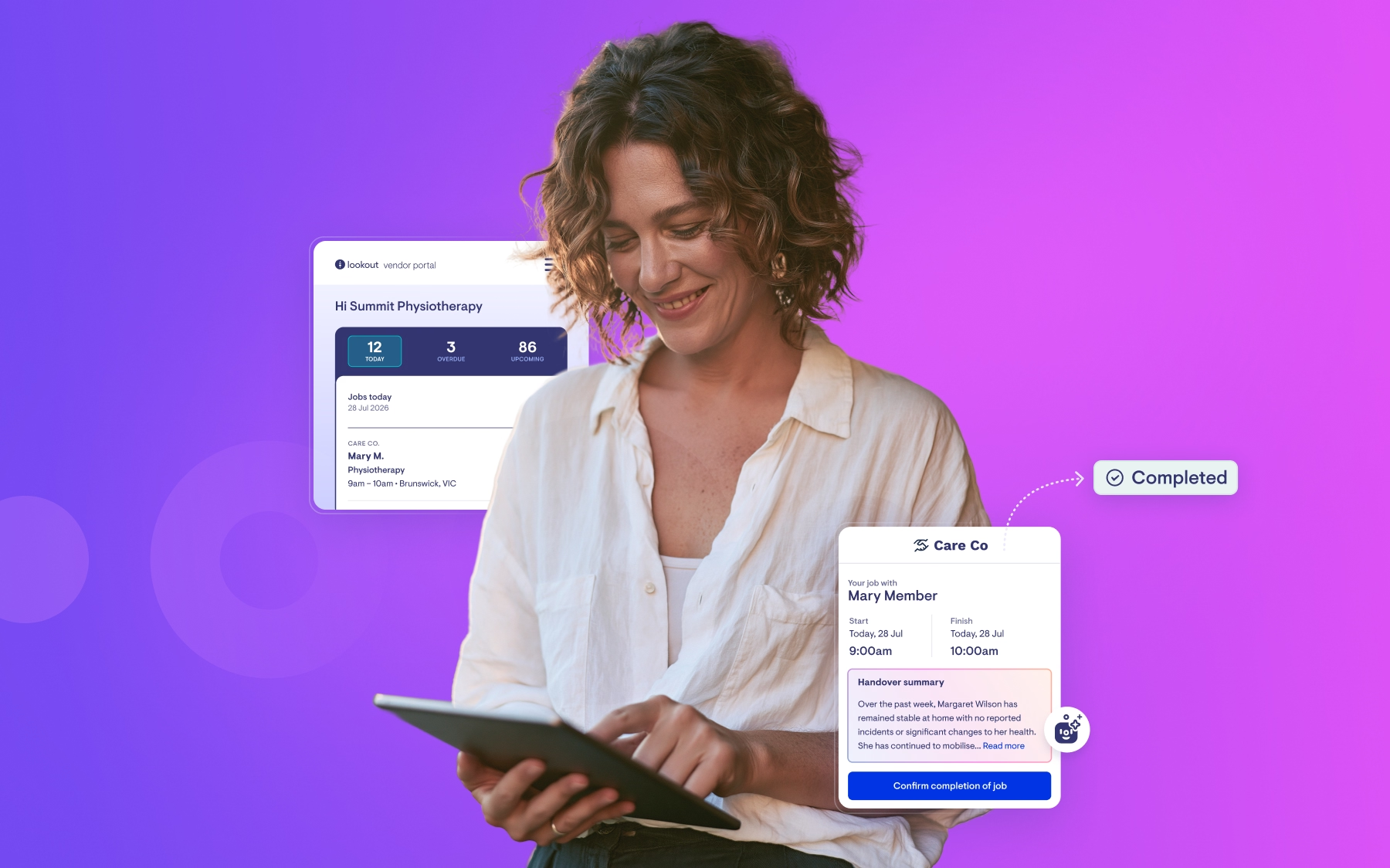
- Associated-provider handover summaries: produces service-specific summaries to reduce risk and improve continuity when care is delivered by third parties.
- Rostering availability and break handling: turns free-text worker inputs into clear approval decisions; improves break placement and enables bulk break adjustments.
Key takeaways
- In care, the winning AI model is governed, task-based automation , aligned to the Australian aged care standards with human review,. not generic, open-ended tools.
- Reducing administration is not just a productivity play; it directly protects margin, improves claiming integrity, and strengthens audit readiness.
- Embedded agents are most valuable where they collapse repeatable work and escalate only true exceptions with full context.
- Measurability and audit trails are what make AI “Board-approvable” in regulated environments.
If your teams are spending significant time on triage, care plan administration, rostering exceptions or handover documentation, identify the top 3 repeatable tasks and map where governance is required. That becomes the starting point for safe automation; and the quickest path to measurable time-back.
If you would like to learn more about Lookout Assist visit or call us on 1300 123 456