As care shifts to higher acuity in the community, governance has to move with it, without slowing delivery. A modern clinical toolkit unifies assessment, documentation and care planning so providers can scale complexity safely, remain audit-ready, and protect clinician time.
There is a quiet but fundamental shift underway in home and community care: providers are increasingly expected to support clients with higher clinical complexity at home. This is happening at the same time as regulatory scrutiny increases and workforce constraints persist. The result is a challenging equation. More acuity, more accountability, and not enough clinical time to absorb additional administrative load.
In this environment, “clinical capability” cannot be interpreted as adding more paperwork or expecting clinicians to spend more time writing. The aim is the opposite: to build a clinical foundation that makes providers audit-ready by default, keeps care plans current as real-world conditions change, and enables the broader workforce to contribute safely to assessment and documentation under clear governance.
Lookout Clinical Enhancements consolidate assessment, documentation and care planning into a single, coherent toolkit that works across both first and third-party delivery models. Rather than treating assessments as static forms stored in folders, the direction is to make clinical information usable, structured enough to support governance, and accessible enough to support day-to-day decision making in the field and in the office.
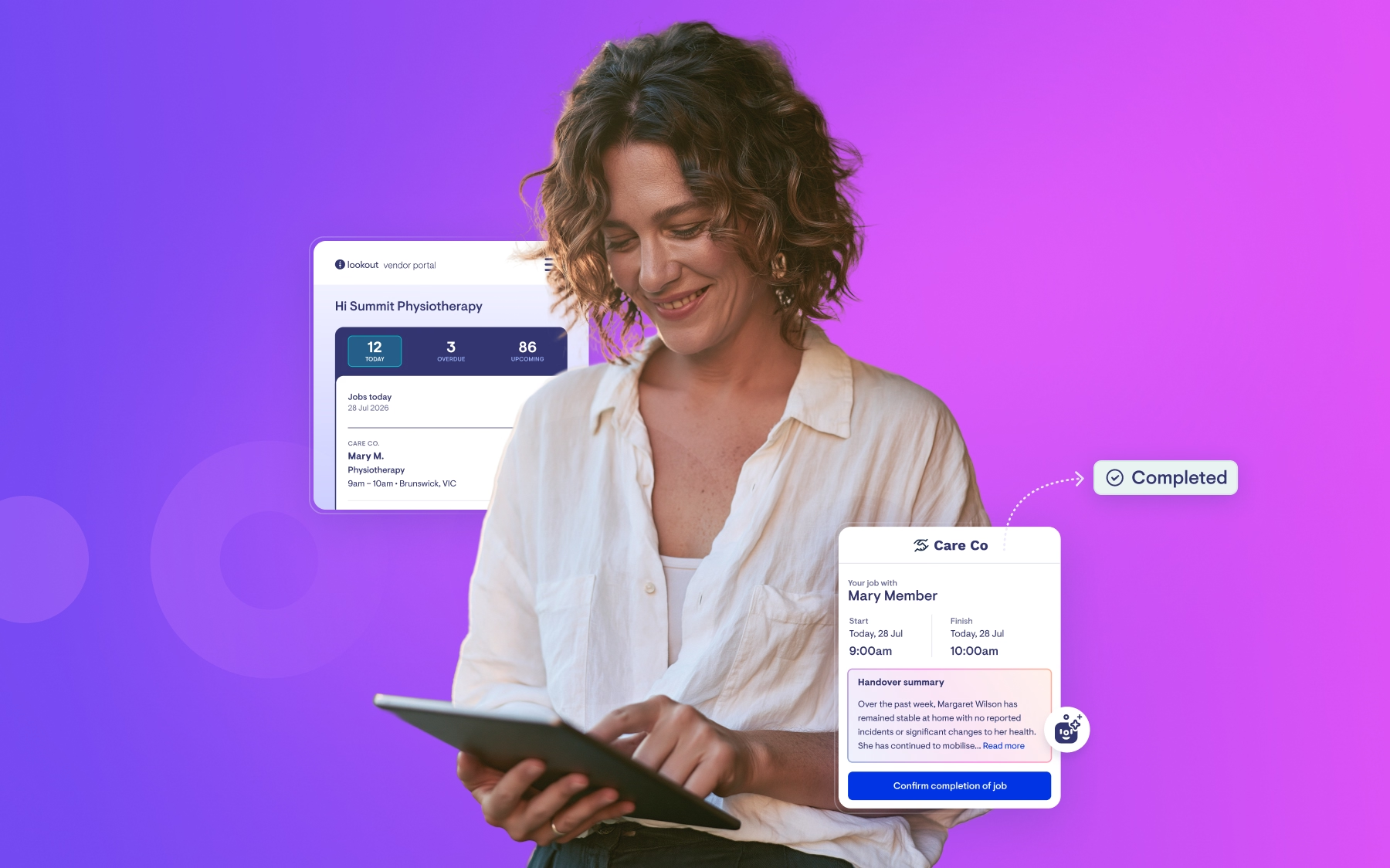
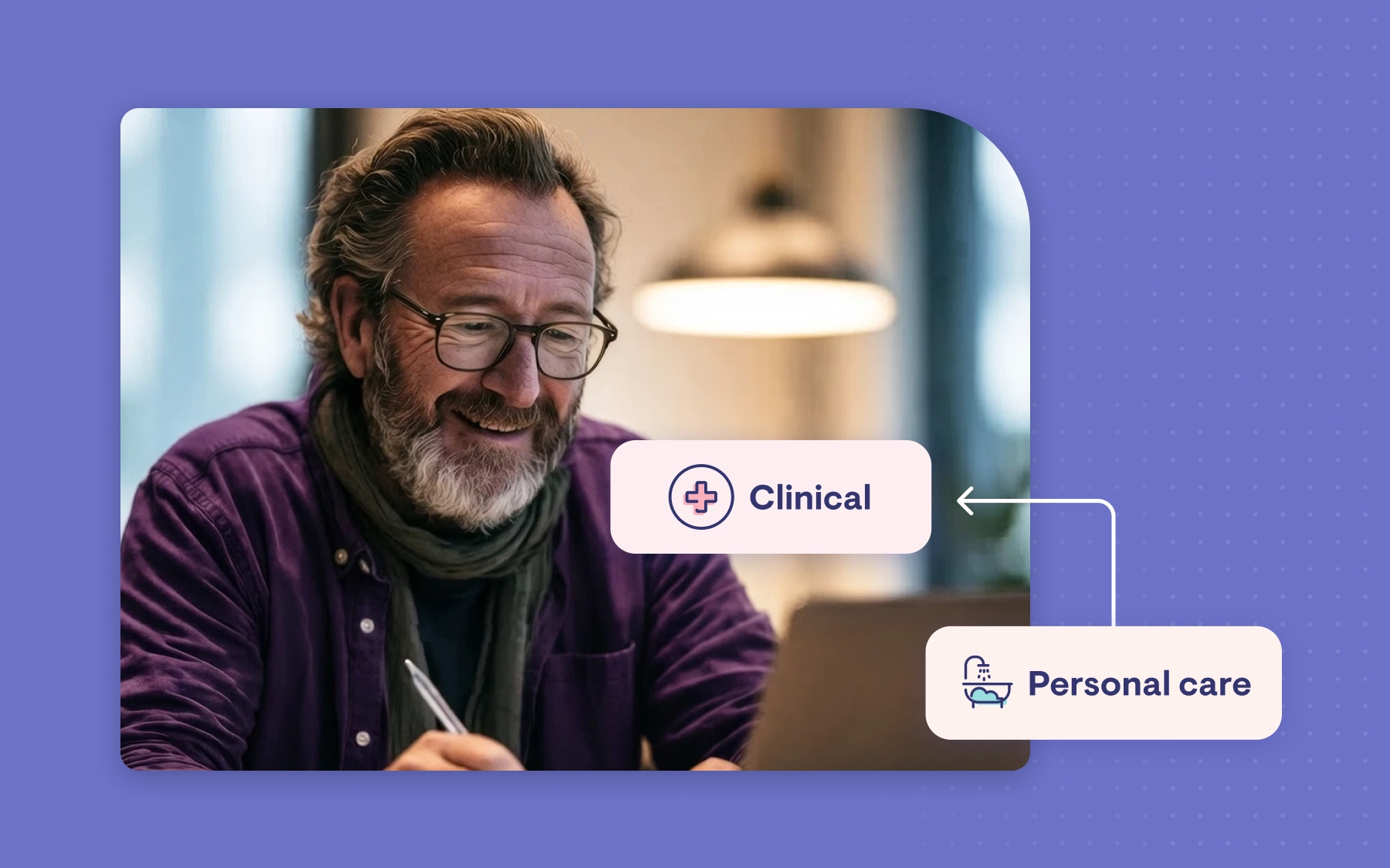
A modern approach also acknowledges a key operational reality: many people involved in delivering home care are not clinicians. Tooling needs to support validated data capture by trained support workers or junior clinicians, with controlled permissions and clear escalation pathways. Mobile-first workflows, support for low-connectivity workflows, including preserving assessment progress during intermittent connectivity, and the option for office staff to complete forms on behalf of field workers are not “nice to haves”. They are the mechanics that make governance workable at scale.
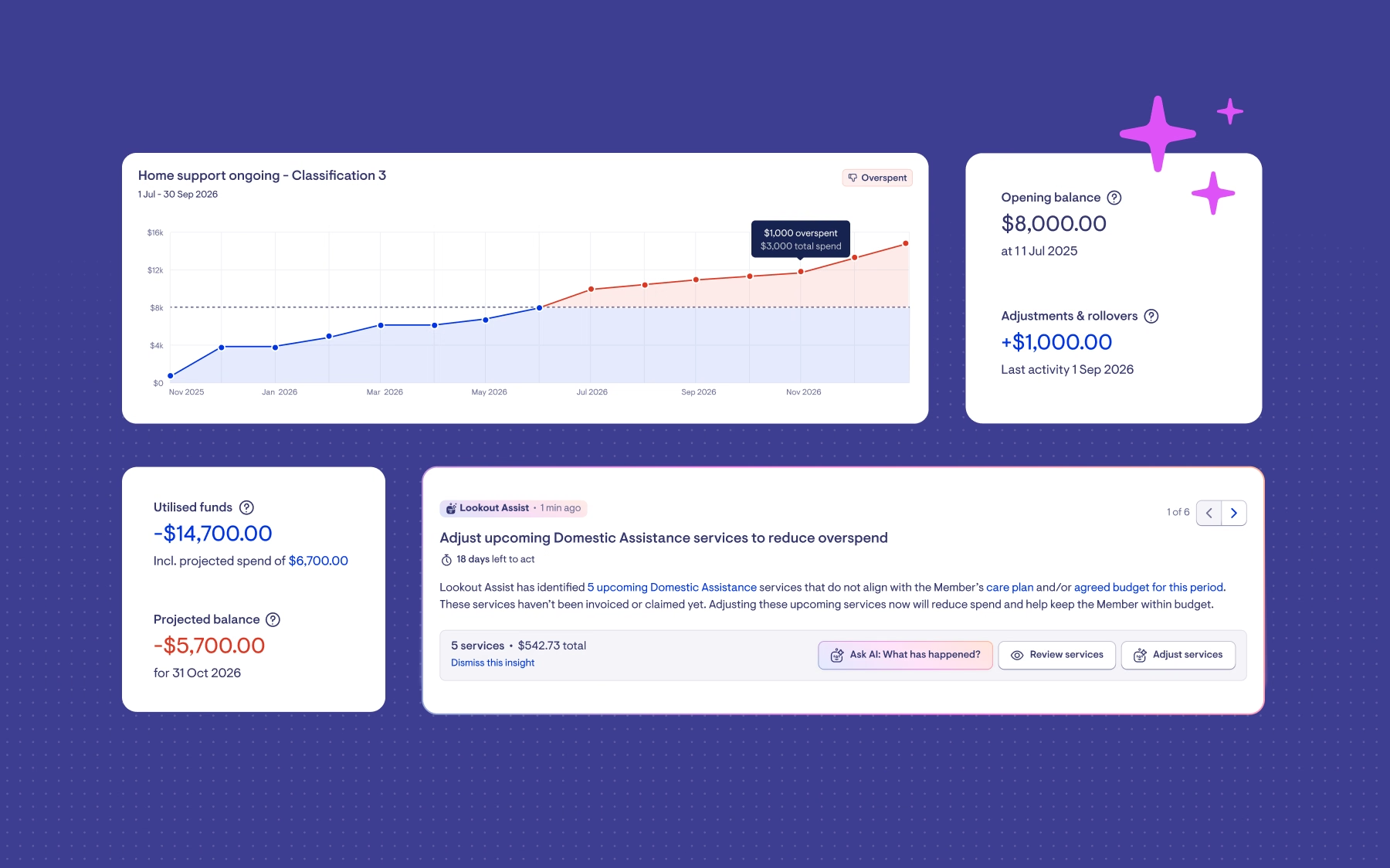
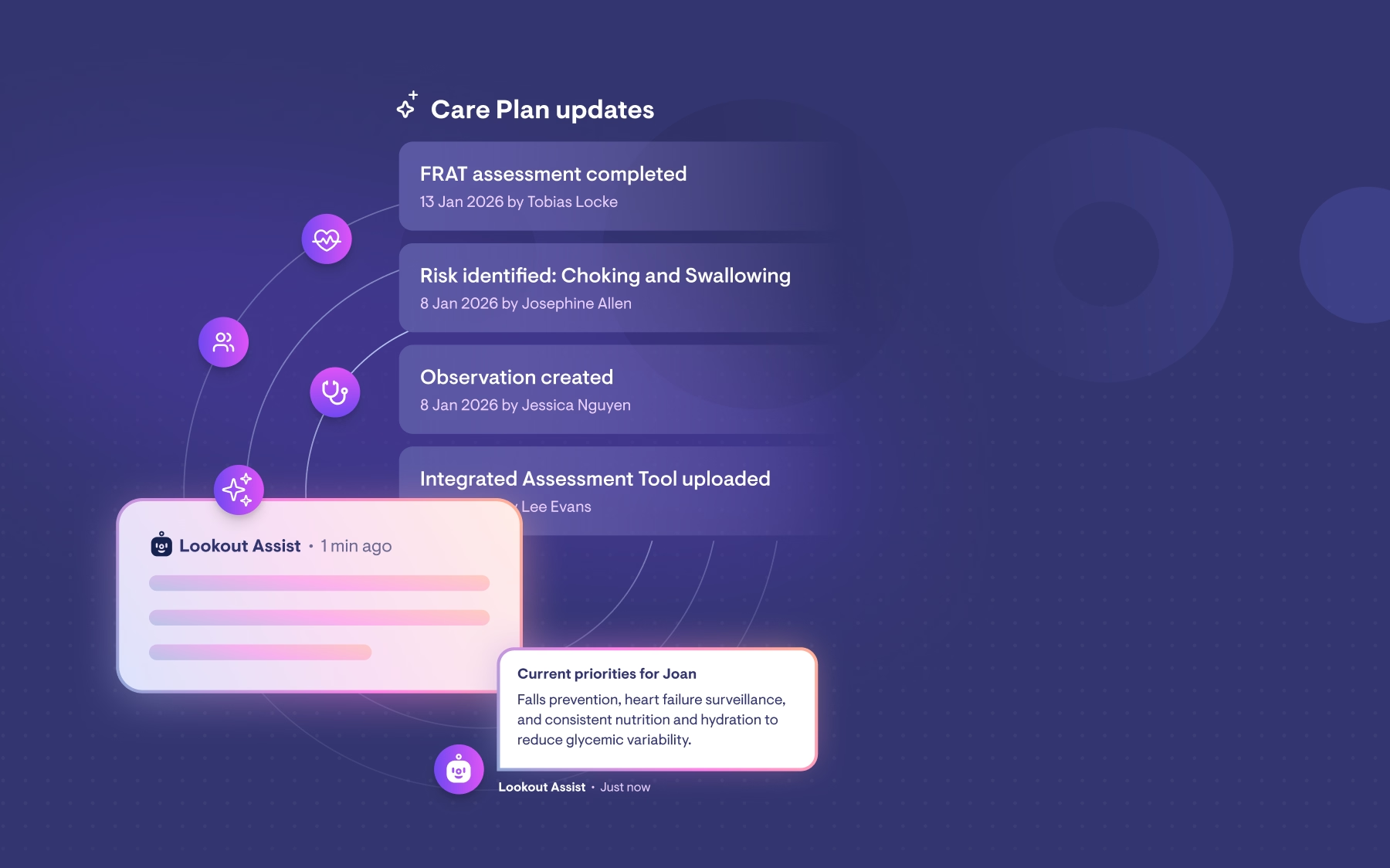
The second shift is turning care plans from static documents into living clinical timelines. When assessments, observations, incidents and external clinician documents feed directly into a Care Plan, teams reduce fragmentation and duplicate documentation and manual follow-up. Lookout Assist then augments this by generating structured summaries (for example, a rolling 90-day clinical summary of conditions and medications) and prompting users toward next steps; supporting completeness while reducing the preparation burden on clinicians.
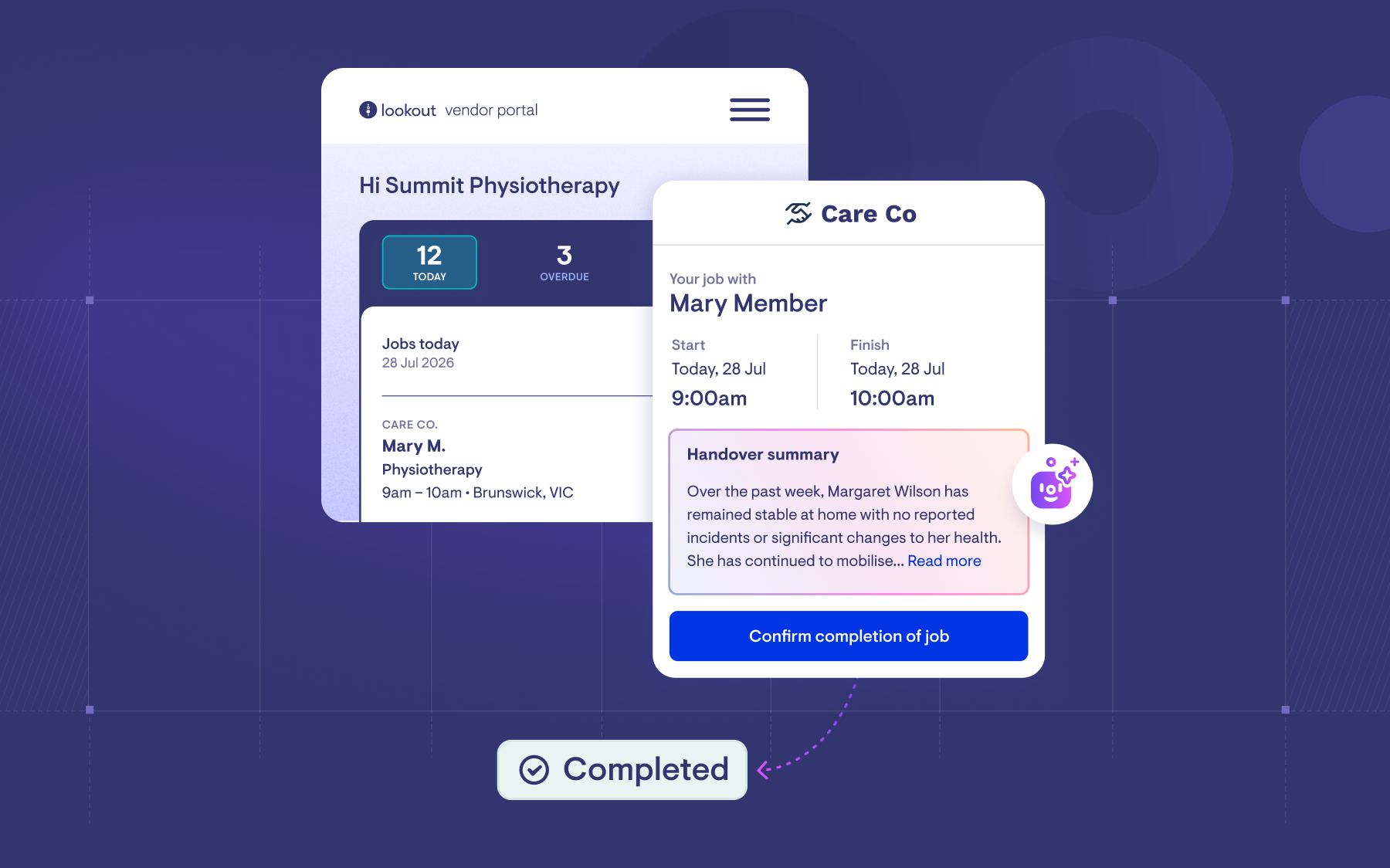
Over time, this clinical foundation expands into evidence-based pathways and oversight mechanisms: standardised treatment plan templates that can be deployed quickly; the ability to tailor or create organisation-specific forms aligned to governance requirements; visibility into whether scheduled services align with prescribed treatment plans; and Assist-powered annual reviews that summarise the previous 12 months of clinical activity to initiate reviews faster and more consistently. As clients move between programs, streamlined membership management further reduces administrative drag and supports continuity.
Capability highlights (Ready June 1 2026):
- Clinical assessments and forms: access to 31 clinical forms out of the box with in-app completion (including attachments) across clinician, admin and field worker workflows.
- Field-ready workflows: support for must-dos, checkout notes and assessments in low-connectivity environments.
- Assessment ingestion: upload external files (e.g., historical assessments and care plans) to seed care plans and reduce re-entry.
- Assist-powered summaries and prompts: generate clinical summaries and prompt next steps based on completed assessments and recent activity.
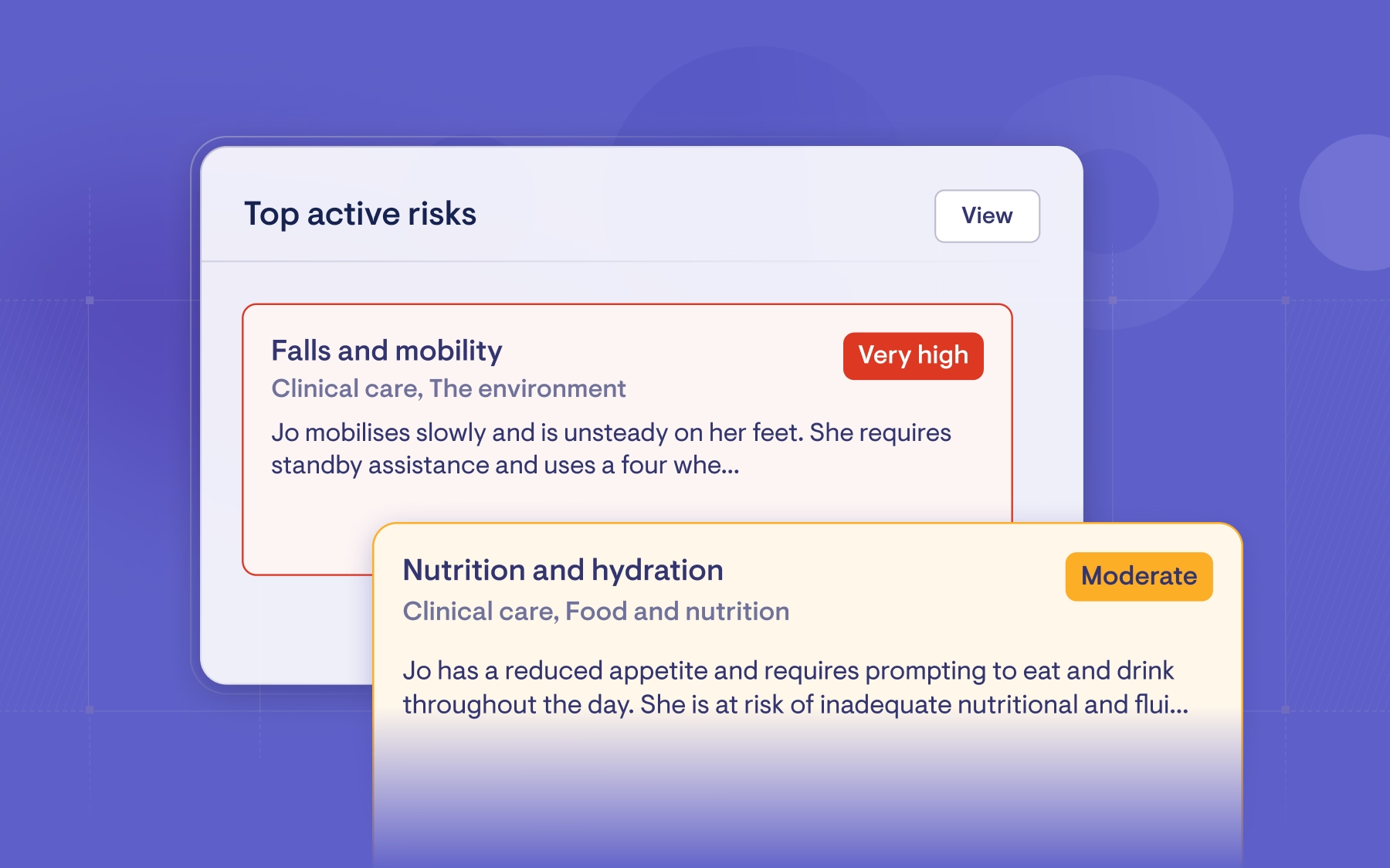
- Risk highlights: Active risks are highlighted front and centre for greater visibility and triage.
Key takeaways
- Higher acuity care in the home demands stronger clinical governance; but governance must be embedded in workflows, not added as paperwork.
- Care plans need to stay current by pulling from real-world activity; static documents create risk and rework.
- Scaling clinical capability requires the broader workforce to contribute safely to validated data capture, with controlled permissions and escalation.
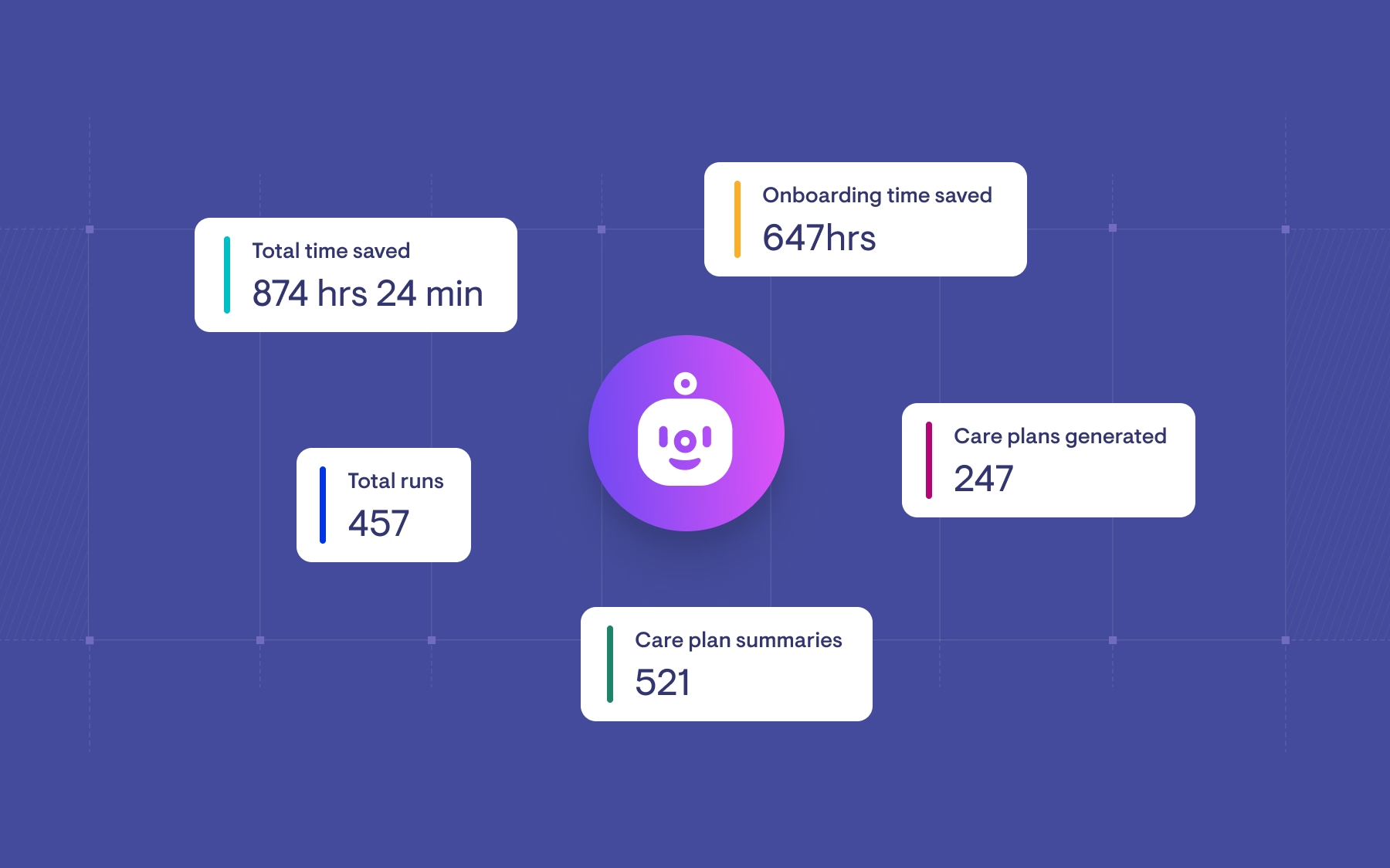
- Assist-powered summarisation and review support protects scarce clinician time while improving completeness and audit readiness.
Review your current assessment-to-care-plan pathway. Where are teams re-keying information, where do care plans fall out of date, and where does audit evidence rely on manual follow-up? Redesigning that pathway as a single clinical workflow is the quickest way to scale complexity without scaling administration.