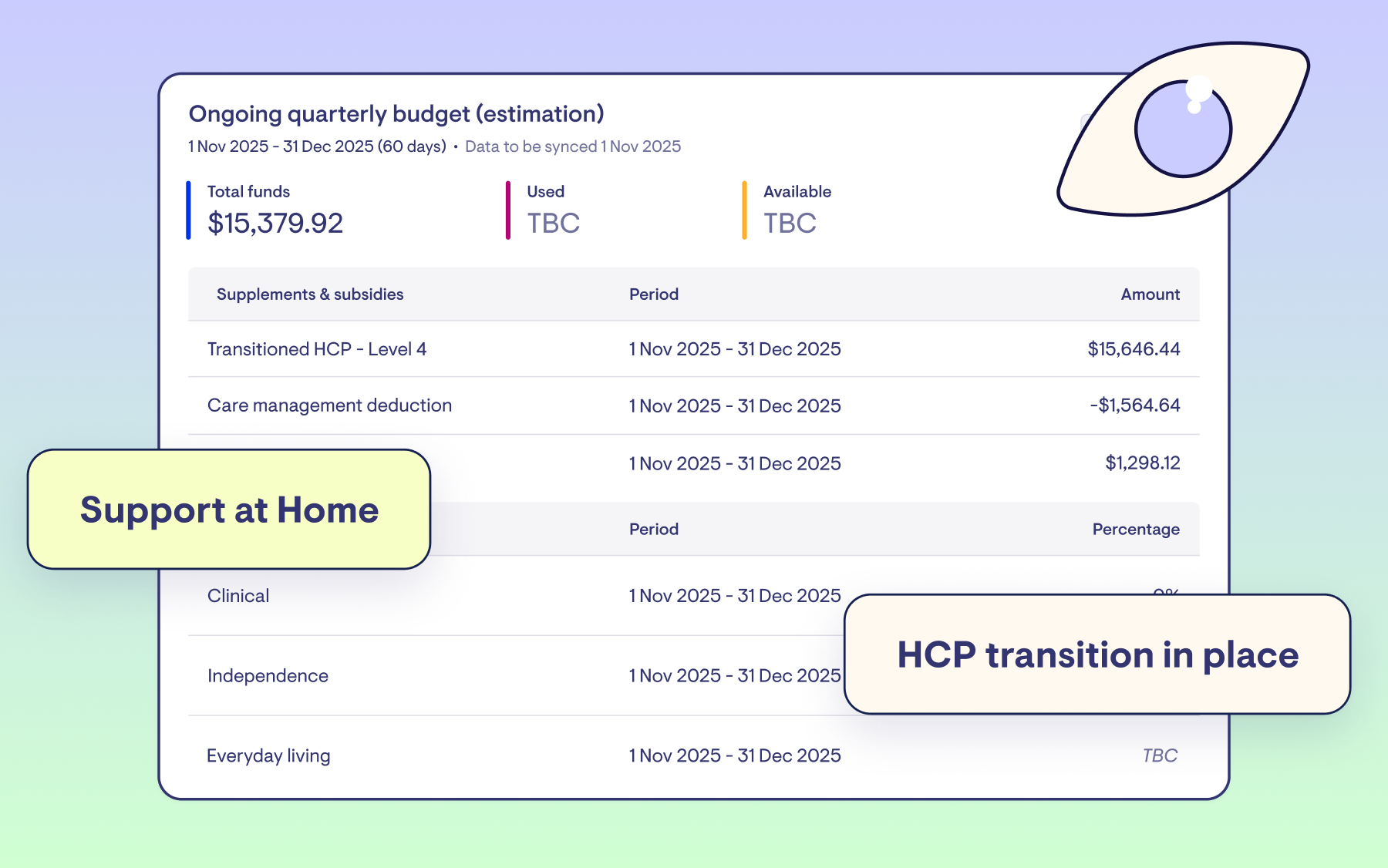
Support at Home was introduced to strengthen accountability, improve outcomes, and create a more sustainable future for home care.
Five months in, many providers are experiencing a different reality: more documentation requirements, more compliance obligations, and more pressure on teams that were already stretched before the reforms took effect.
The intent behind the changes is sound. The operational reality of implementing them, using processes that were already under strain, is another matter.
For many providers, the result has been a growing administrative burden and less time for the work that matters most: supporting clients.
Yet some organisations are adapting faster than others.
The question worth asking is: why?
The difference isn't bigger teams
It isn't asking existing staff to work harder.
And it isn't waiting for the framework to settle before making changes.
The providers getting ahead are redesigning their workflows.
They're taking a clear look at how work actually moves through their organisation and identifying which tasks genuinely require human judgement and which have simply remained manual because there was never a better alternative.
Where providers are finding opportunity
When organisations assess their operations, common patterns tend to emerge:
Duplication
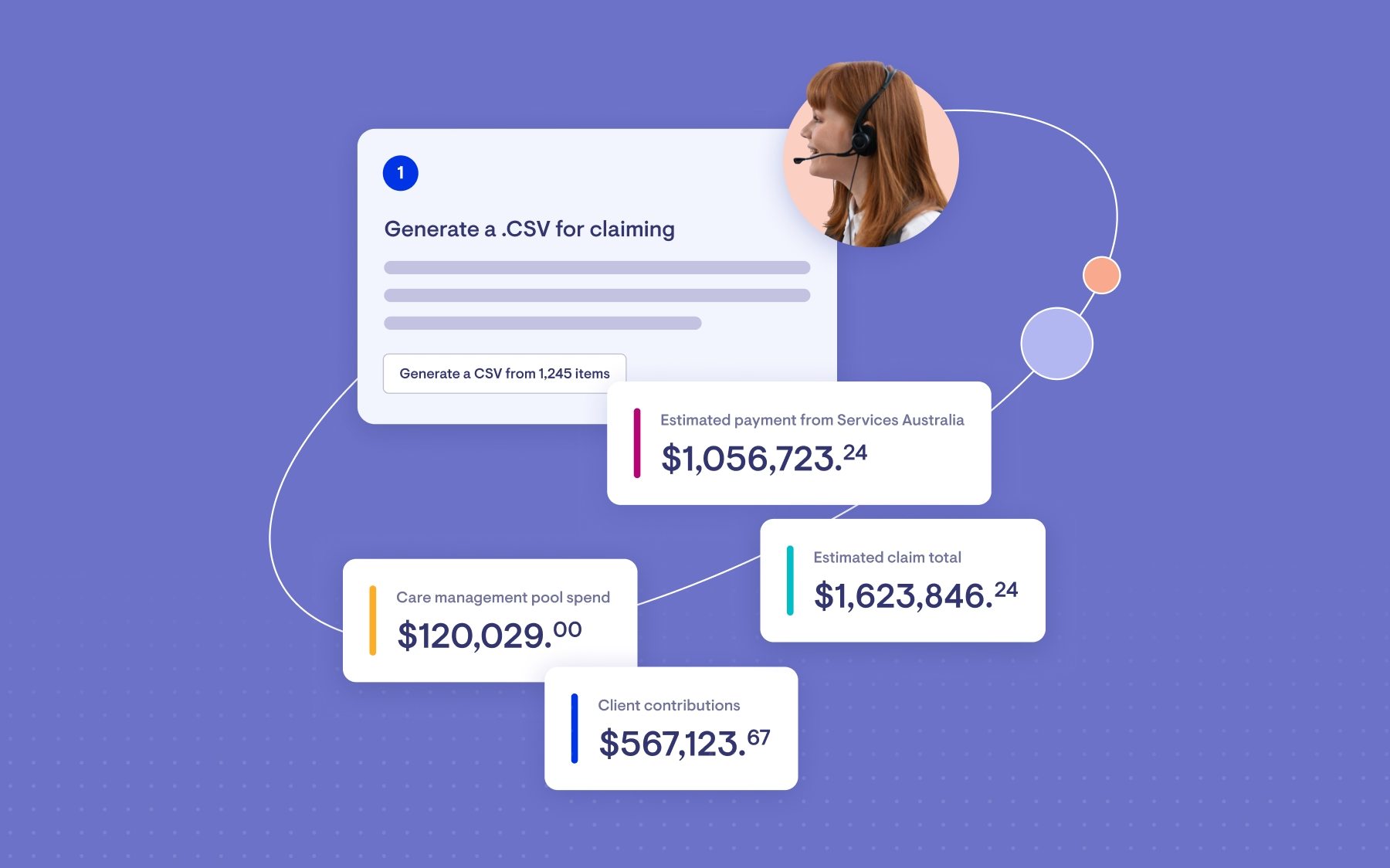
The same information is often entered, transferred, or reviewed multiple times across different systems, teams, or individuals.
Each extra touchpoint creates unnecessary work and increases the risk of errors.
Manual Handoffs
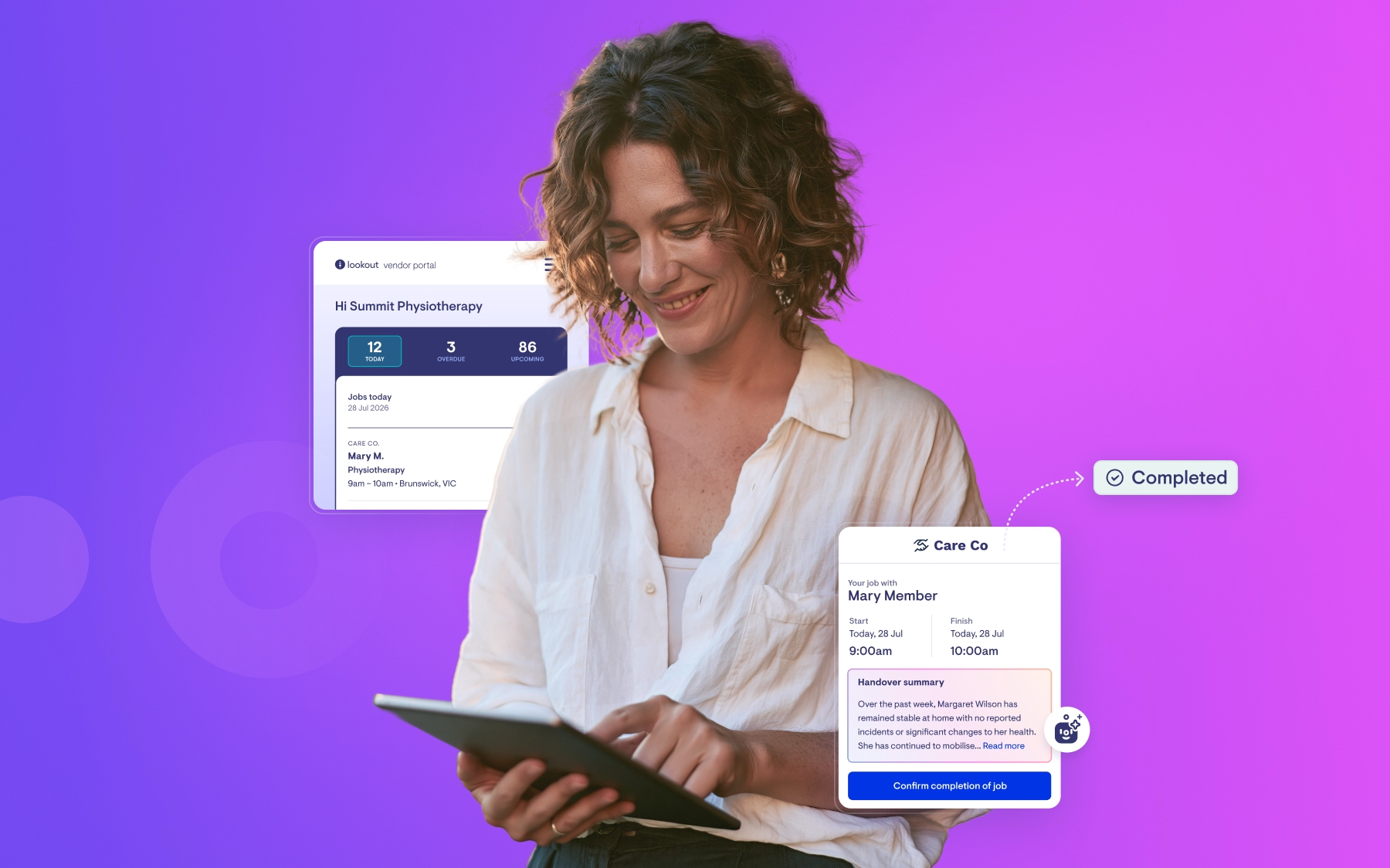
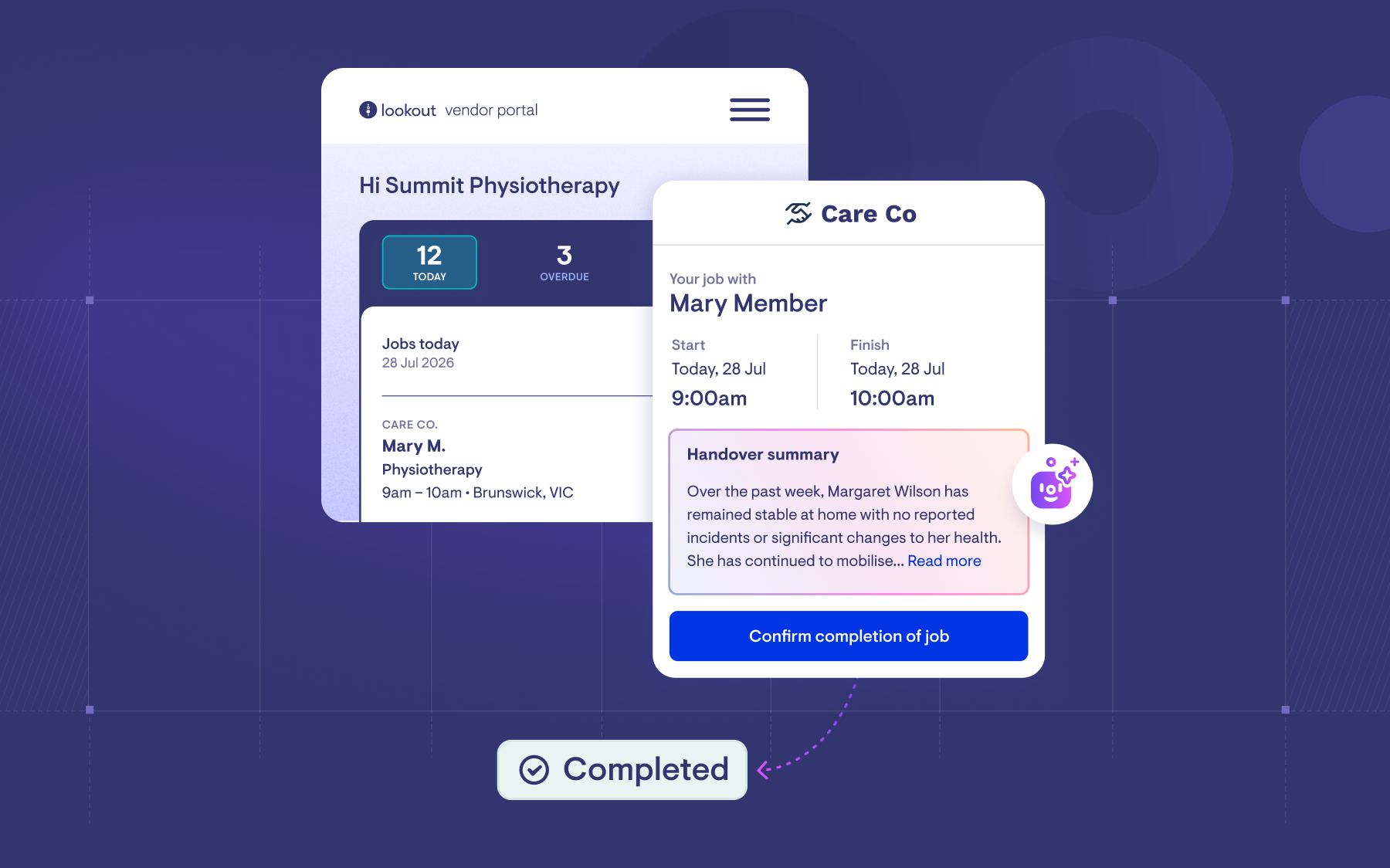
Coordination between care coordinators, care workers, and partner organisations frequently relies on emails, phone calls, or paper-based processes.
These handoffs can create delays, reduce visibility, and introduce accountability gaps.
Low-Value Administration
Many skilled staff spend significant time on tasks such as:
- Drafting care plan sections from intake documentation
- Formatting handover notes
- Chasing worker availability
- Updating records across multiple systems
While necessary, these activities are often repetitive and do not require the expertise of the person performing them.
More accountability with less effort
When providers address these operational inefficiencies, the outcome isn't less accountability.
In many cases, it's the opposite.
Organisations achieve:
- Fewer errors
- Faster response times
- Improved visibility across the care journey
- Greater consistency in documentation and reporting
Most importantly, they create more capacity for client-focused work.
Technology is an enabler, not the starting point
Technology plays an important role, but it shouldn't be the first step.
The most successful providers aren't starting with a platform change.
They're starting with a simple operational question:
Where is our team's time going, and what should change?
Once that question is answered, technology becomes the enabler.
When designed specifically for home care, technology can:
- Automate repeatable administrative tasks
- Improve coordination across teams
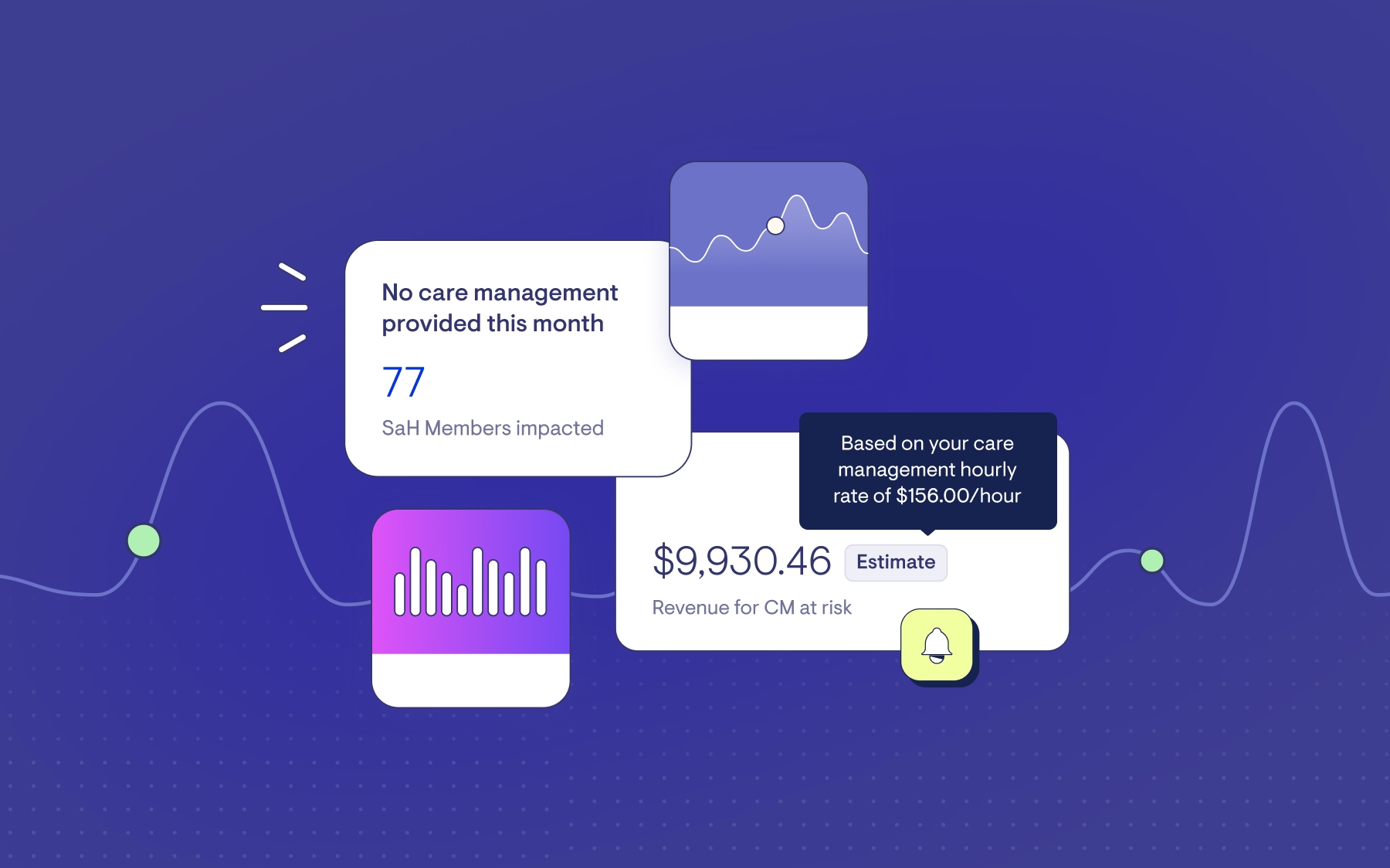
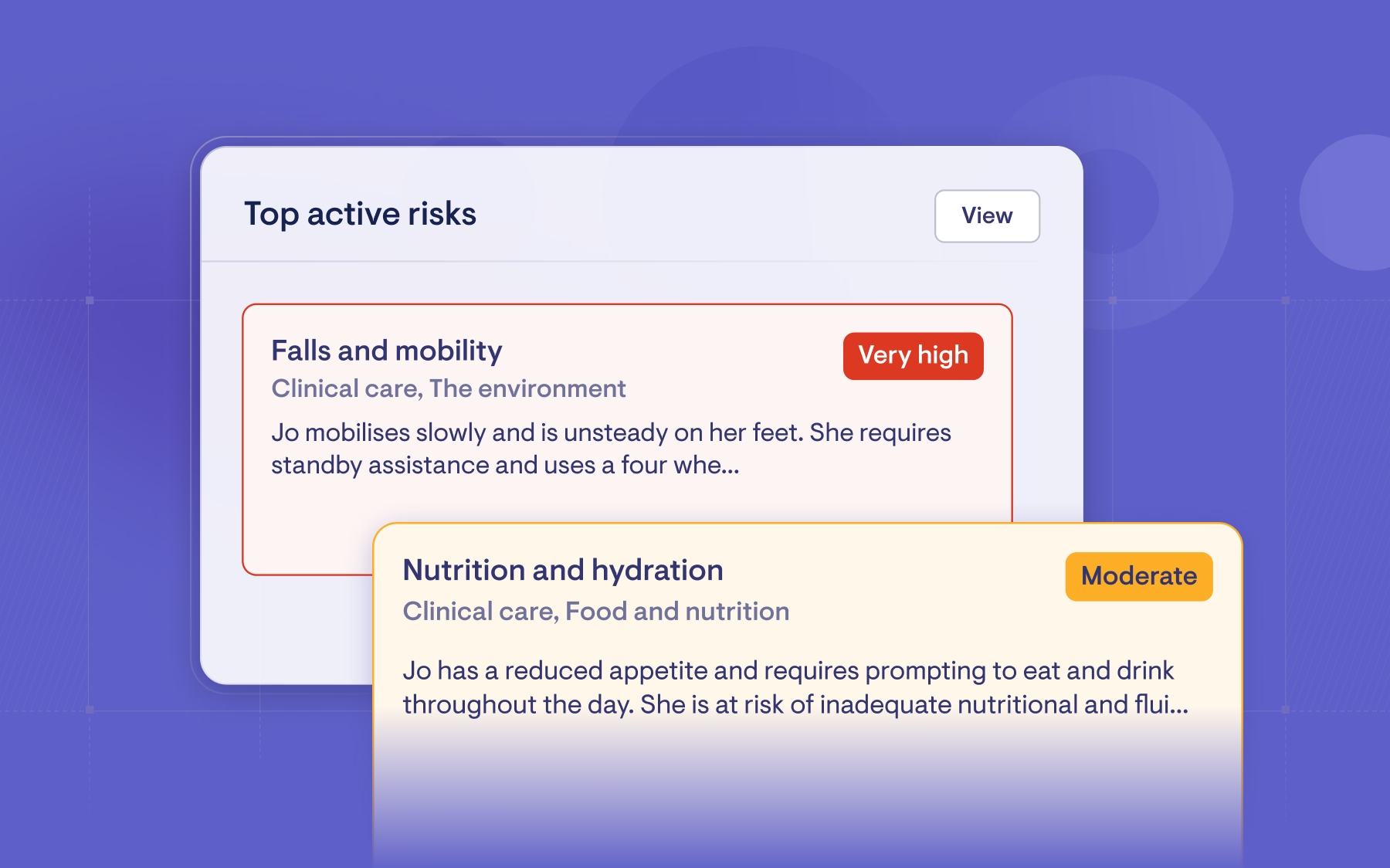
- Surface risks earlier
- Reduce delays and manual effort
- Create capacity for work that requires human judgement
The real transformation comes from replacing inefficient workflows, not from asking people to work harder within them.
Preparing for what's next
Support at Home will continue to evolve.
The providers best positioned for future changes won't necessarily be the largest or the most well-resourced.
They'll be the organisations willing to challenge how work gets done and embrace technology built for the operational realities of home care.
How Lookout is helping
At Lookout, that's exactly what we've been working toward.
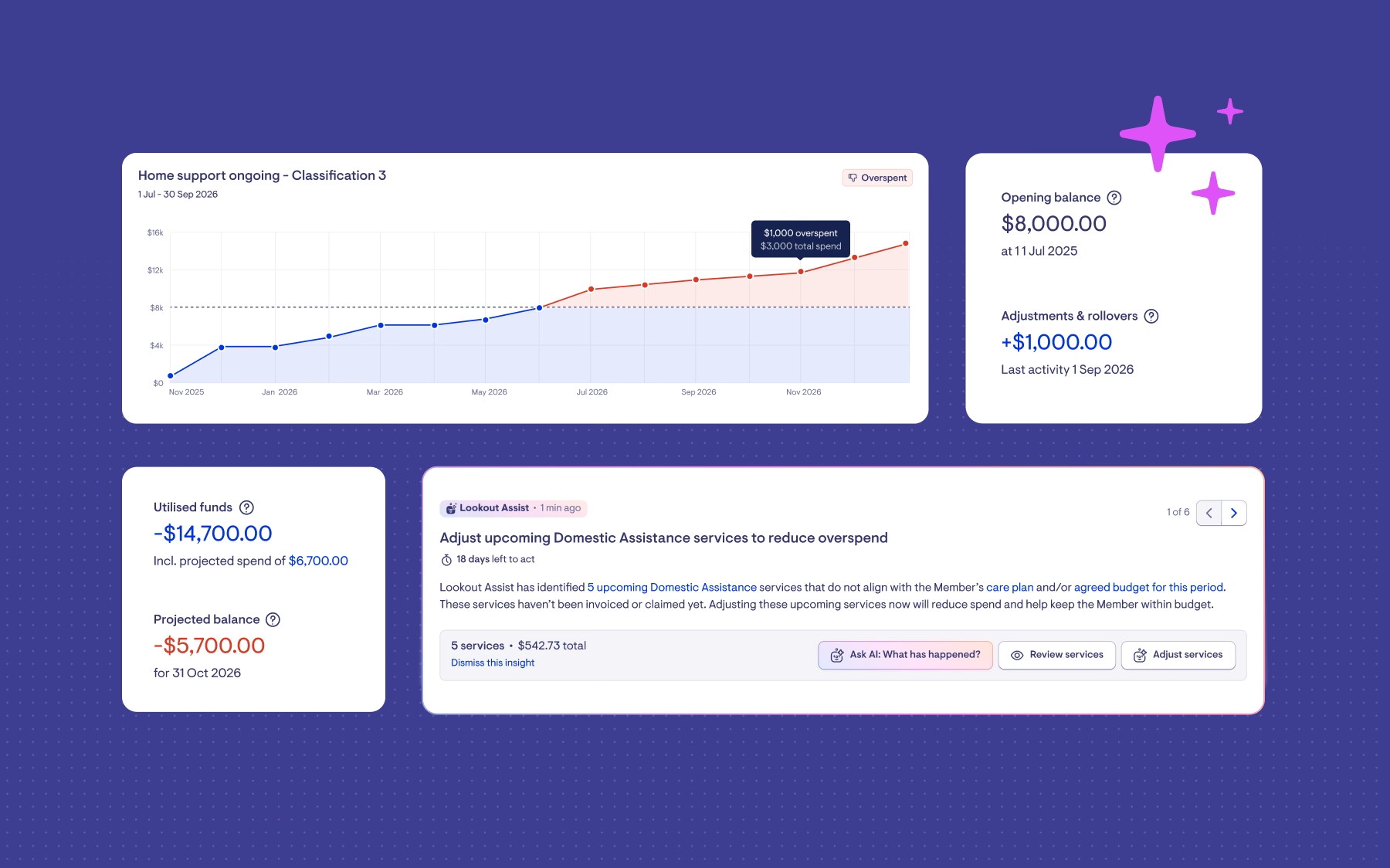
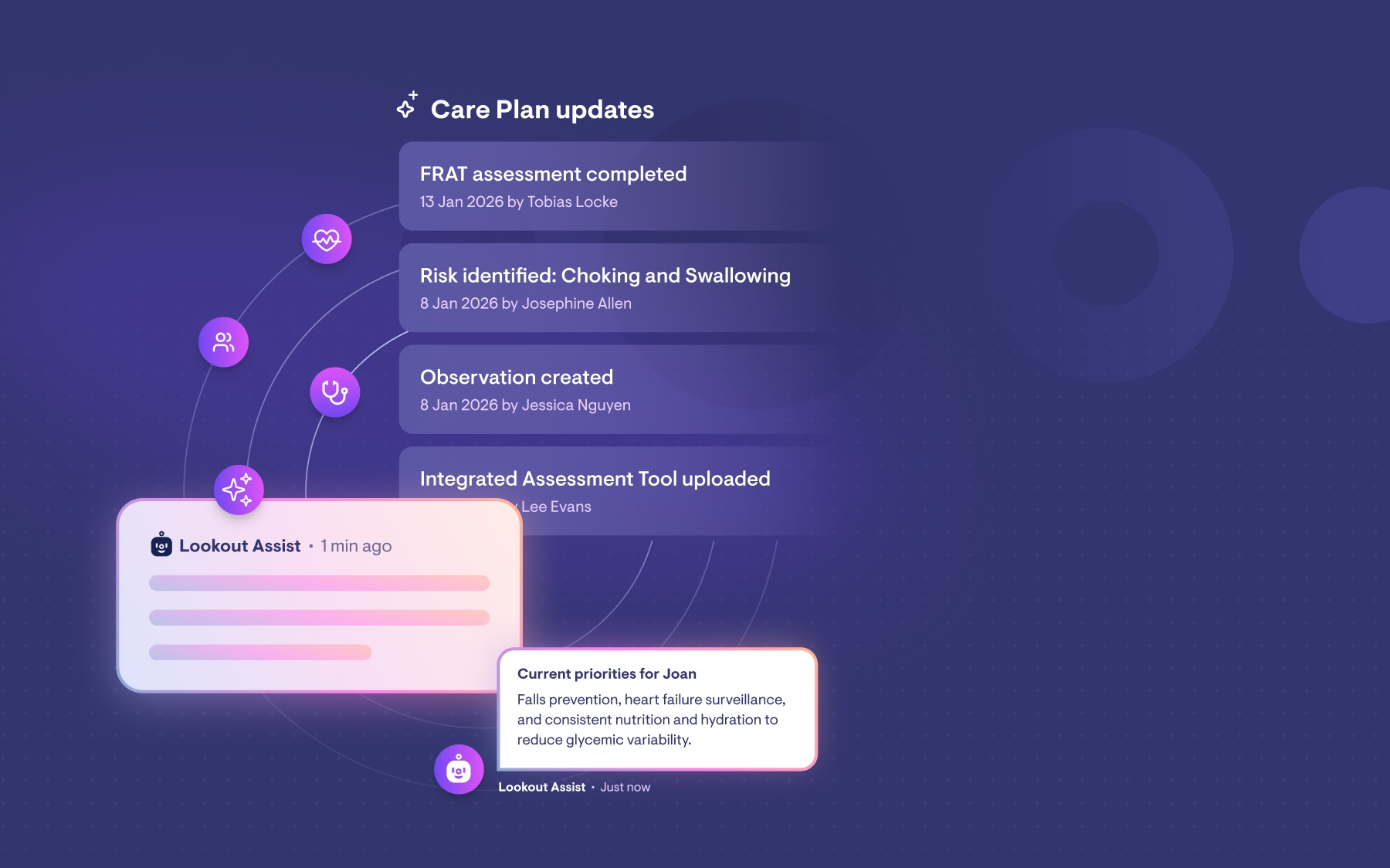
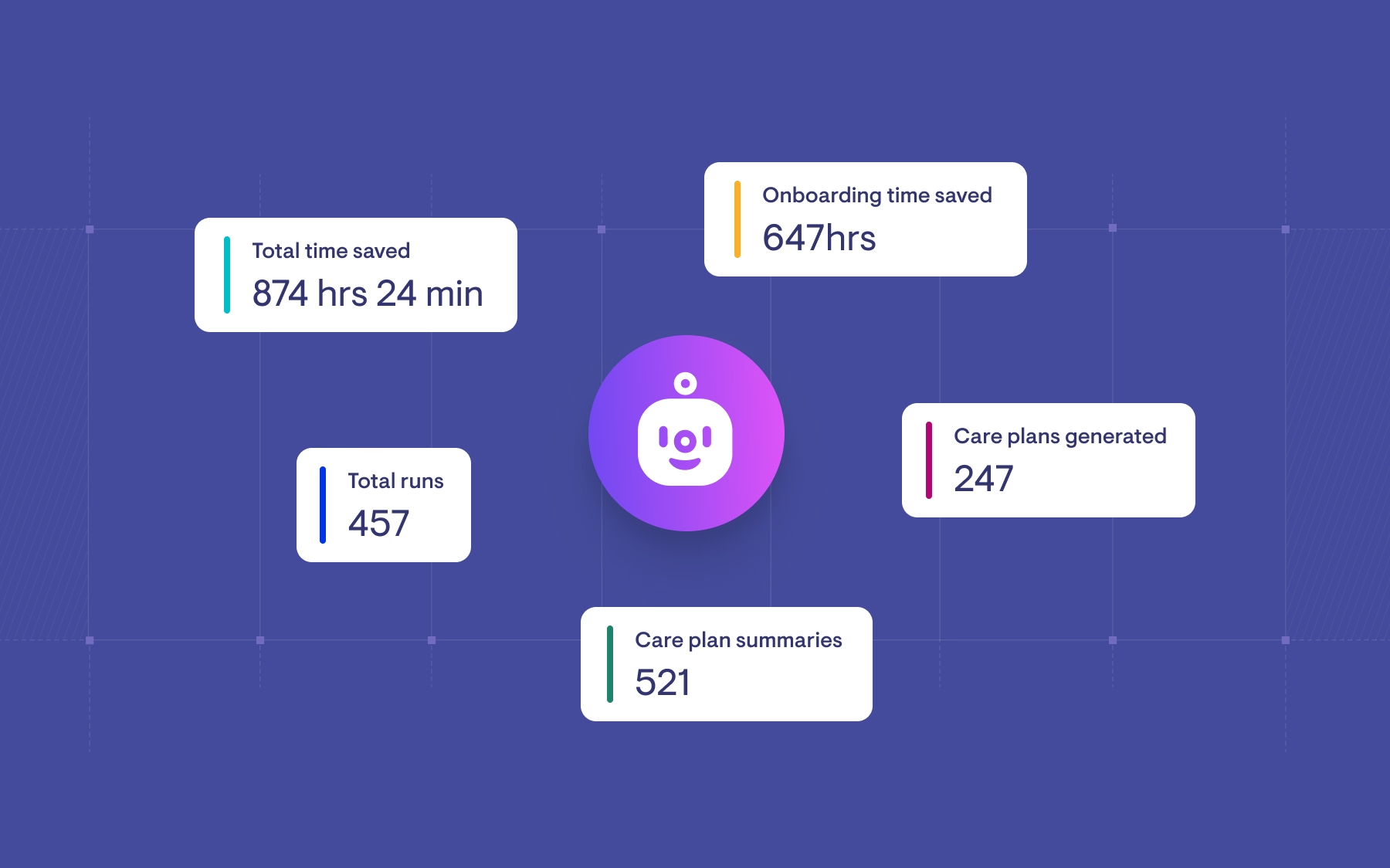
Lookout Assist is our AI-powered automation layer: task-based agents operating with human oversight, built on eight years of home care data.
Its purpose is simple, to reduce the administrative burden consuming coordinator time while maintaining the accountability that regulators, boards, families, and clients expect.
If you're navigating the Support at Home transition and want to explore what's genuinely possible, we'd love to talk.